Every cyclist was once a beginner, navigating the challenges of the open road. As you embark on your cycling journey, understanding the crucial aspects of bike safety can make all the difference in your experience. Are you ready to discover the essential tips that will empower you to ride with confidence and joy?
What You Will Learn
- The significance of wearing a helmet and how it can reduce serious head injuries by up to 70%.
- Essential visibility gear and practices to enhance your presence on the road.
- The importance of obeying traffic laws and treating your bike like a vehicle.
- How to effectively communicate your intentions using hand signals while riding.
- Key maintenance tips to ensure your bike performs optimally and safely.
- The role of situational awareness in avoiding accidents and obstacles on the road.
- Strategies for planning safer cycling routes to enhance your riding experience.
- Best practices for riding in groups and maintaining proper etiquette.
- Nutrition and hydration tips to keep you energized during long rides.
- Basic first aid knowledge to handle minor injuries during cycling adventures.
Bike Safety Essentials for Beginners
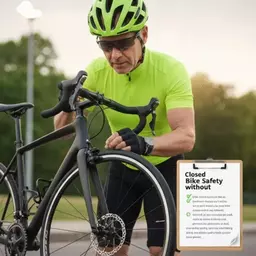
This visual highlights critical bike safety strategies and their impact, emphasizing why each tip is vital for new cyclists.
Tip 1: Always Wear a Helmet
Reduces serious head injuries by up to 70%!
Tip 2: Enhance Your Visibility
Use bright colors & reflective gear, especially at dusk/dawn.
Tip 3: Obey Traffic Laws
Follow same rules as motor vehicles (stop lights, signals, etc.).
Tip 4: Maintain Your Bike
Regularly check tire pressure, brakes, and lubricate chain.
Understanding the Importance of Bike Safety for Beginners
When diving into the world of cycling, understanding bike safety is crucial for every beginner. Cycling can be an incredible way to explore the outdoors and stay fit, but without the right precautions, it can also pose risks. Just imagine riding down a busy street without knowing how to keep yourself safe—yikes! That's why learning about safety practices is essential for all new cyclists.
Many newcomers might think that cycling is as simple as hopping on a bike and pedaling away, but the reality is that there are several potential hazards. From unpredictable drivers to road conditions, the risks can be significant. That’s why at Bike Tips Hub, we believe in empowering riders to take every precaution possible to enjoy their cycling experience fully. Discover more essential tips for beginner road cyclists to enhance your riding experience safely.
Why Safety Matters for New Cyclists
For new cyclists, safety should always be a top priority. Cycling accidents can lead to serious injuries, and many of these accidents can be prevented with proper knowledge and preparation. It’s not just about avoiding falls; it’s about understanding how to share the road with cars and pedestrians. Safety education helps create a more enjoyable and worry-free experience!
- Develop a safe riding habit early on.
- Increase your confidence on the road.
- Protect yourself against common cycling accidents.
Ultimately, safety leads to confidence. The more you know about staying safe on your bike, the more you’ll enjoy each ride. Remember, every cyclist was once a beginner, and learning these essential safety tips is the first step in mastering your cycling journey!
Common Misconceptions About Biking Safety
As a passionate cyclist, I've encountered several myths that many beginners believe about biking safety. One common misconception is that wearing a helmet isn't necessary if you're just riding in a neighborhood. In reality, no matter where you ride, a helmet is your best line of defense against head injuries. It’s important to bust these myths to cultivate a culture of safety.
- Myth: "I won’t go fast, so I don’t need a helmet."
- Myth: "Cycling on sidewalks is always safer."
- Myth: "Drivers will always see me."
These misconceptions can lead to risky behaviors. By addressing them head-on, we can encourage new cyclists to take their safety seriously. Remember, safety is not just a personal responsibility; it contributes to the overall cycling community's well-being!
10 Essential Bike Safety Tips Every Beginner Cyclist Should Know
1. Always Wear a Helmet for Maximum Protection
The first and most important tip is to always wear a helmet. Statistics show that wearing a helmet can reduce the risk of serious head injuries by up to 70%! It’s a simple step that can save your life. Make sure your helmet fits correctly, and don’t forget to replace it if you’ve had a fall.
2. Enhance Your Visibility with Proper Gear
Being visible is crucial for your safety on the road. Wearing bright colors and reflective gear can significantly increase your chances of being seen by motorists. Here are a few visibility strategies:
- Wear reflective vests or jackets.
- Use bike lights, especially when riding at dusk or dawn.
- Opt for bright, eye-catching clothing.
Investing in proper visibility gear will not only keep you safe but also make your rides more enjoyable. After all, you want to be seen and safe!
3. Obey Traffic Laws Like a Motorist
Cyclists must follow the same traffic laws as motor vehicles. This means stopping at red lights, yielding to pedestrians, and signaling turns. Familiarize yourself with local cycling laws to avoid accidents or fines. Think of it this way: obeying traffic laws keeps everyone safer on the road!
4. Communicate Clearly: Use Hand Signals
Using hand signals is a vital skill for every cyclist. It helps to indicate your intentions to others on the road. Here are some basic signals:
- Left turn: Extend your left arm straight out.
- Right turn: Extend your right arm straight out or bend your left arm at a 90-degree angle.
- Stop: Bend your left arm down at a 90-degree angle.
By using hand signals, you communicate effectively with others, making your rides safer and more enjoyable. For a comprehensive guide on cycling hand signals, check out our detailed article.
5. Maintain Your Bike for Optimal Performance
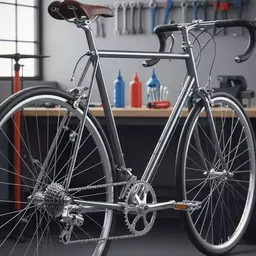
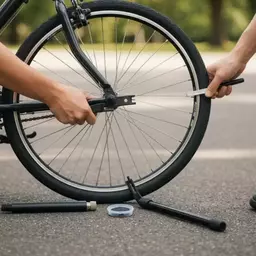
Your bike's performance heavily relies on regular maintenance. This includes checking your tire pressure, brakes, and gears before each ride. Here’s a quick maintenance checklist:
- Check tire pressure: Inflate to the recommended PSI.
- Inspect brakes: Ensure they engage properly.
- Lubricate the chain: Keep it running smoothly.
Well-maintained bikes not only perform better but also enhance your safety on the road. At Bike Tips Hub, I always emphasize that a little preventive care goes a long way!
6. Stay Aware of Your Surroundings
Being aware of your surroundings is crucial for safe cycling. Keep an eye out for road hazards, pedestrians, and fellow cyclists. Situational awareness can make a big difference in avoiding potential accidents. Consider these tips:
- Always look both ways before crossing an intersection.
- Be cautious of parked cars that may open their doors suddenly.
- Watch for pedestrians and other cyclists.
Staying alert allows you to react quickly to any unexpected situations on the road.
7. Plan Your Route for Safety
Planning your cycling route can significantly enhance your safety. Opt for bike paths or lanes where possible, and avoid busy roads. Here are some tips for planning safe routes:
- Use maps or apps designed for cyclists.
- Find routes with fewer cars and more bike lanes.
- Check for road conditions or construction.
Taking the time to plan your route ensures you have a safer and more enjoyable ride!
8. Follow the Rules of Group Riding Etiquette
Riding in a group can be fun and social, but it requires some etiquette. Here are essential practices to follow:
- Communicate intentions clearly with the group.
- Maintain a safe distance from the cyclist in front of you.
- Ride in a single file line when necessary.
Adhering to these rules enhances safety and keeps the group cohesive while riding!
9. Understand Nutrition and Hydration Needs for Longer Rides
For longer rides, proper nutrition and hydration are key to maintaining performance and safety. Remember to:
- Drink water before, during, and after your ride.
- Consume energy-boosting snacks like fruits and energy bars.
- Avoid heavy meals right before biking.
Staying hydrated and well-fueled helps you ride with energy and focus, making your cycling experience that much better!
10. Know Basic First Aid for Post-Crash Situations
Even the safest cyclists can face accidents. Being prepared with basic first aid knowledge is essential. Here’s what you should know:
- Have a first aid kit readily available during your rides.
- Learn how to treat minor cuts and bruises.
- Know how to recognize serious injuries that require medical attention.
Having these skills can make all the difference in handling emergencies confidently! Equip yourself with essential cycling accessories, including a compact first aid kit, for every ride.
Pro Tip
Did you know? Riding in a straight line not only keeps you safer but also helps maintain your speed and efficiency. Practice keeping a straight line while riding; this will make it easier for drivers and other cyclists to predict your movements, enhancing safety for everyone on the road!
Frequently Asked Questions About Bike Safety for Beginners
Q: Why is wearing a helmet so important for new cyclists?
A: Wearing a helmet is critical because it can reduce the risk of serious head injuries by up to 70%. Even minor falls can cause significant head trauma, so a helmet provides essential protection regardless of where or how fast you're riding.
Q: What are the best ways to enhance visibility while cycling?
A: To enhance visibility, wear bright colors and reflective gear, especially during dawn, dusk, or nighttime rides. Using proper bike lights (front and rear) is also crucial. These measures significantly increase your chances of being seen by motorists and pedestrians.
Q: Do cyclists need to obey the same traffic laws as drivers?
A: Yes, cyclists must follow the same traffic laws as motor vehicles. This includes stopping at red lights and stop signs, yielding to pedestrians, and using appropriate hand signals for turns. Obeying traffic laws ensures road safety for everyone and helps prevent accidents.
Q: How often should I perform maintenance on my bike?
A: Regular bike maintenance is essential for optimal performance and safety. Before each ride, quickly check your tire pressure, brakes, and chain lubrication. A more thorough inspection, including checking gears and overall component wear, should be done periodically, perhaps monthly or every few hundred miles, depending on usage.
Q: What should I do if I get into a minor accident?
A: If you're involved in a minor accident, first ensure your safety and the safety of others. Move to a safe location if possible. Check for injuries and administer basic first aid if needed. If there's property damage or significant injury, exchange information with other parties involved and consider calling emergency services.
Recap of Key Bike Safety Practices for Beginners
As we wrap up our discussion on bike safety, it’s crucial to remember the essential tips we've covered. Each practice plays a significant role in ensuring your safety on the road. Here’s a quick recap of the key bike safety practices every beginner cyclist should keep in mind:
- Always wear a helmet: This is your first line of defense against head injuries.
- Enhance visibility: Use reflective gear and lights to ensure others can see you.
- Obey traffic laws: Treat your bike like a vehicle, and respect traffic rules.
- Use hand signals: Communicate your intentions to other road users.
- Maintain your bike: Regularly check your brakes and tire pressure for a safe ride.
- Stay aware: Keep an eye on your surroundings to avoid hazards.
- Plan your route: Choose safer paths and avoid high-traffic areas when possible.
- Follow group riding etiquette: Stay organized and communicate effectively with fellow riders.
- Know your nutrition and hydration: Fuel your body for better performance, especially on long rides.
- Understand basic first aid: Be prepared to handle minor injuries if they occur.
By keeping these tips in mind, you can ride with greater confidence and enjoy your cycling experience to the fullest! Remember, safety is not just a one-time checklist but a continual practice you should embrace with every ride.
Encouragement to Prioritize Safety on Every Ride
As you gear up for your next cycling adventure, I encourage you to implement these bike safety tips consistently. Each ride is an opportunity to practice safety and make it a natural part of your cycling routine. Have you noticed how prioritizing safety can transform your experience? It brings peace of mind and allows you to focus on the joy of cycling!
Let’s make cycling safer and more enjoyable for everyone. I’d love to hear your experiences! Do you have a favorite safety tip or a memorable moment where safety made a difference? Share your stories with the community!
Join the Cycling Community for Ongoing Support
Engaging with local cycling groups can be a fantastic way to enhance your biking experience. Not only will you find support, but you’ll also gain valuable insights from seasoned cyclists who are eager to share their knowledge. Consider joining a local cycling club or participating in workshops. These opportunities can provide ongoing education, camaraderie, and a safe space to discuss your cycling journey. After all, we’re all in this together at Bike Tips Hub!
Remember, the cycling community is a treasure trove of resources and experiences just waiting for you to tap into. So, get involved and ride safe!
Recap of Key Bike Safety Practices for Beginners
As we wrap up our discussion on bike safety, it’s crucial to remember the essential tips we've covered. Each practice plays a significant role in ensuring your safety on the road. Here’s a quick recap of the key bike safety practices every beginner cyclist should keep in mind:
- Always wear a helmet: This is your first line of defense against head injuries.
- Enhance visibility: Use reflective gear and lights to ensure others can see you.
- Obey traffic laws: Treat your bike like a vehicle, and respect traffic rules.
- Use hand signals: Communicate your intentions to other road users.
- Maintain your bike: Regularly check your brakes and tire pressure for a safe ride.
- Stay aware: Keep an eye on your surroundings to avoid hazards.
- Plan your route: Choose safer paths and avoid high-traffic areas when possible.
- Follow group riding etiquette: Stay organized and communicate effectively with fellow riders.
- Know your nutrition and hydration: Fuel your body for better performance, especially on long rides.
- Understand basic first aid: Be prepared to handle minor injuries if they occur.
By keeping these tips in mind, you can ride with greater confidence and enjoy your cycling experience to the fullest! Remember, safety is not just a one-time checklist but a continual practice you should embrace with every ride.