Did you know that mastering proper braking techniques can drastically improve your cycling safety and performance? Understanding how to brake effectively can be the difference between a smooth ride and a dangerous spill. Let’s explore the essential lessons that will empower you to ride confidently.
What You Will Learn
- Braking efficiently enhances your confidence and prevents accidents.
- Tailoring your braking strategy for different weather conditions is vital for safety.
- Understanding vehicle dynamics can improve your bike handling during stops.
- Employing smooth braking techniques maintains stability and control.
- Regularly checking your brake system is essential for preparedness.
- Adapting your braking for various terrains maximizes your riding experience.
- Practicing dual brake usage provides better balance and control.
- Engaging with local cycling communities can enhance your learning and confidence.
Key Braking Techniques and Their Impact
Understanding and mastering various braking techniques is crucial for cyclist safety and control. This visual highlights core techniques and their benefits. To learn more about fundamental cycling skills, check out our guide on mastering bike riding basics.
✓ Smooth Braking
Gradually apply pressure to prevent abrupt stops and maintain stability.
✓ Dual Brake Usage
Engaging both front and rear brakes together provides balanced stopping.
✓ Threshold Braking
Maximizes stopping power without locking up wheels, especially in emergencies.
✓ Condition-Specific
Adapting braking for wet, snowy, or icy conditions is essential for safety.
Understanding Proper Braking Techniques for Enhanced Control
Braking is more than just stopping; it’s about maintaining control while ensuring your safety on the road. Whether you’re navigating crowded city streets or flying down a country lane, understanding proper braking techniques can make your rides smoother and safer. At Bike Tips Hub, we believe that mastering these skills is essential for cyclists of all levels. Let’s dive into why these techniques matter and how you can avoid common pitfalls!
Exploring the Importance of Braking Techniques in All Conditions
Your braking technique can dramatically affect your performance and safety, especially under different conditions. Proper braking not only helps you maintain control but also allows you to react swiftly to unexpected obstacles. Here are some key points to consider:
- Braking efficiently can prevent accidents and improve your overall confidence.
- Different weather conditions require unique braking strategies for optimal safety.
- Mastering braking can enhance your speed management during rides.
By understanding the importance of these techniques, you’ll find yourself riding with greater assurance and enjoyment. Remember, a confident cyclist is a safer cyclist!
Key Objectives: Avoiding Common Braking Mistakes
As cyclists, we all make mistakes from time to time, but some braking errors can have serious consequences. Identifying and avoiding these common mistakes will enhance your control and safety on the ride. Here are a few to watch out for:
- Braking too hard can lead to loss of control.
- Neglecting to check your brake system regularly can leave you unprepared.
- Not adjusting your technique for different terrains can compromise your riding experience.
At Bike Tips Hub, we emphasize the importance of continual learning. By recognizing these mistakes, you’re already on your way to becoming a more skilled cyclist! For more essential information, be sure to read our beginner cyclist safety tips.
Understanding Vehicle Dynamics and Weight Transfer During Braking
When you apply your brakes, your bike experiences weight transfer, which can impact handling. Understanding vehicle dynamics is crucial for effective braking. Here's how it works:
- Weight shifts forward when braking, affecting your balance.
- Proper use of brakes can help you manage this weight transfer effectively.
- Understanding your bike's response to braking can improve your control.
By grasping these concepts, you can learn to anticipate your bike’s behavior during braking, leading to safer and more enjoyable rides. Remember, the better you control your bike, the more fun you can have on the trail!
Mastering Essential Braking Techniques
Now that we have covered the fundamentals, let’s focus on mastering essential braking techniques. Whether you're a beginner or looking to enhance your skills, these techniques will boost your confidence and improve your overall riding experience. Ready to take your braking game to the next level?
Smooth vs. Sudden Braking: The Impact of Progressive Braking
Understanding the difference between smooth braking and sudden braking is vital. Smooth braking is not only safer but also aids in maintaining your bike's stability. Here’s how to achieve a smooth brake squeeze:
- Gradually apply pressure to the brake levers.
- Maintain an even grip without yanking the brakes.
- Practice squeezing gently to find the right balance.
On the flip side, grabbing the brake can lead to skids and loss of control, especially in tricky conditions. So let’s avoid that!
Understanding the Mechanics of a Smooth Brake Squeeze
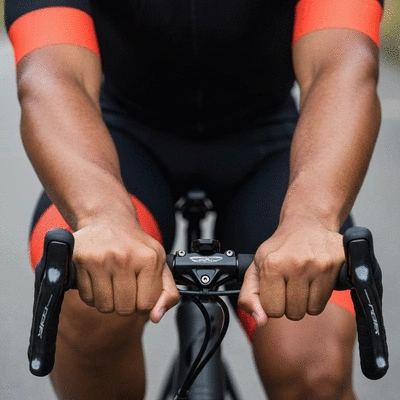
A smooth brake squeeze involves precise finger control and a keen awareness of your surroundings. Make sure to practice this technique regularly. Here are a few additional tips:
- Use your index and middle fingers for better control.
- Keep your elbows slightly bent for flexibility.
- Adjust your grip according to speed and terrain.
With practice, this technique will become second nature, allowing you to stop safely without any surprises!
Recognizing the Dangers of Grabbing the Brake
Grabbing the brake is a common mistake that can lead to panic and unexpected crashes. Remember to take a deep breath and focus on smoothness. Here’s what can happen when you grab the brake:
- You may lose traction, especially on wet or loose surfaces.
- Your bike’s weight distribution may shift dramatically.
- It can throw you off balance, leading to potential falls.
Be mindful of your braking technique, and you’ll find that confidence builds over time!
Pro Tip
To enhance your braking technique, consider practicing in a safe, controlled environment. Set up a series of cones or markers to simulate obstacles, allowing you to focus on smooth braking and weight transfer. This hands-on approach will help you develop instinctual braking responses that improve your overall control on varied terrains.

Frequently Asked Questions About Braking Techniques
Why are proper braking techniques important for cyclists?
Proper braking techniques are crucial for cyclist safety and performance as they help maintain control, prevent accidents, and allow riders to react swiftly to unexpected obstacles. They enhance confidence and can be tailored for various conditions.
What are the key braking techniques mentioned in the article?
The article highlights smooth braking (gradual pressure), dual brake usage (both front and rear brakes for balance), threshold braking (maximizing power without wheel lockup), and condition-specific strategies (adapting to wet, snowy, or icy conditions).
What are common braking mistakes cyclists should avoid?
Common mistakes include braking too hard, neglecting regular brake system checks, and not adjusting techniques for different terrains. Grabbing the brake suddenly can also lead to skids, loss of traction, and falls.
How does weight transfer affect braking?
When brakes are applied, weight shifts forward on the bike, impacting balance and handling. Understanding this dynamic helps riders manage weight effectively and improve control during stops.
How can I continuously improve my braking skills?
Continuous improvement involves regular practice in controlled environments, setting specific goals for each ride, incorporating various terrains, joining local cycling groups, and engaging with cycling communities for shared learning and workshops.
Summarizing Key Takeaways for Safe Braking
As we wrap up our discussion on braking techniques, it's crucial to emphasize the core principles that enhance your overall cycling safety and control. Mastering these techniques is not just about stopping; it's about doing so efficiently and confidently in various conditions. Here’s a recap of the core techniques we've covered:
- Smooth Braking: Gradually applying pressure to your brakes can prevent abrupt stops and maintain stability.
- Dual Brake Usage: Engaging both the front and rear brakes together provides better balance.
- Threshold Braking: This technique helps avoid wheel lockup while maximizing stopping power.
- Condition-Specific Strategies: Adapting your braking for wet, snowy, or icy conditions is essential for safety.
By honing these skills, you’ll not only improve your riding experience but also become a more confident cyclist. Remember, each ride is an opportunity to apply these techniques!
Next Steps: Practical Application and Continuous Improvement
Now that you’re equipped with valuable braking techniques, let's discuss how to keep improving and applying these skills in real-life situations. Cycling is a journey of continuous learning, and every ride has something to teach us!
Encouraging Ongoing Practice and Real-World Application
To truly master your braking techniques, regular practice is key! Here are some actionable steps you can take:
- Set specific goals for each ride—focus on smooth braking one day and dual brake usage the next.
- Incorporate various terrains and conditions to challenge your skills.
- Join a local cycling group; they often offer practice sessions focused on safety techniques.
By consistently applying what you’ve learned, you’ll be able to react instinctively in challenging situations. Isn’t that empowering?
Engaging with Communities for Shared Learning Experiences
Don't underestimate the value of community! Engaging with fellow cyclists can offer new insights and enhance your learning. Consider these options:
- Participate in local cycling forums to exchange tips and experiences.
- Attend workshops or safety courses offered by cycling organizations.
- Follow social media groups where cyclists share their journeys and advice.
By connecting with others, you not only gain knowledge but also build a support network. It’s a win-win!
Exploring Defensive Driving and Hazard Recognition for Safer Roads
Lastly, I encourage you to expand your skills into defensive driving and hazard recognition. Understanding your environment and anticipating potential dangers can dramatically improve your safety on the road. Here are a few strategies to consider:
- Practice scanning the road ahead for obstacles and road conditions.
- Learn to identify high-risk areas, such as busy intersections or poorly lit roads.
- Stay aware of other road users, including pedestrians and vehicles, to anticipate their actions.
Being proactive can help you avoid accidents and ride with greater confidence. Remember, cycling is not just about the ride; it's about enjoying the journey while being safe! For more tips on keeping your bike in top shape, explore our basic bike maintenance tips for beginners.
Recap of Key Points
Here is a quick recap of the important points discussed in the article:
- Smooth Braking: Gradually applying pressure to your brakes can prevent abrupt stops and maintain stability.
- Dual Brake Usage: Engaging both the front and rear brakes together provides better balance.
- Threshold Braking: This technique helps avoid wheel lockup while maximizing stopping power.
- Condition-Specific Strategies: Adapting your braking for wet, snowy, or icy conditions is essential for safety.