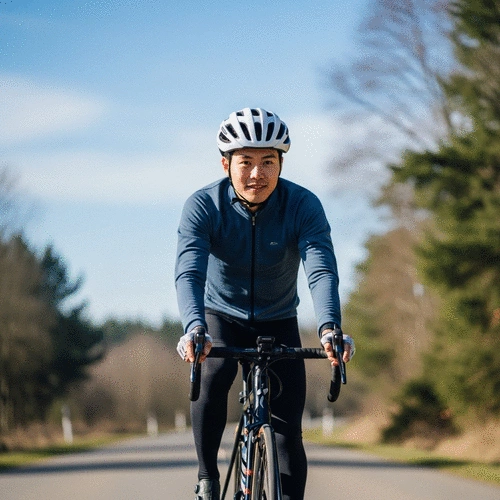
What makes cycling truly enjoyable? It’s not just about the destination; it’s about mastering the ride. As you embark on your cycling journey, understanding the essential bike handling skills can boost your confidence and safety, transforming your experience on two wheels.
What You Will Learn
- Mastering bike handling skills significantly improves overall control and riding confidence.
- Defensive cycling techniques are crucial for ensuring safety while navigating traffic and hazards.
- Understanding critical gear shifting techniques helps maintain efficient pedaling, especially on inclines.
- Choosing the right bike and gear tailored to your riding style enhances your overall cycling experience.
- Proper bike fitting is essential to prevent discomfort and injuries, ensuring a more enjoyable ride.
- Essential gear such as helmets, gloves, and bike locks not only boost safety but also improve comfort on longer rides.
Essential Cycling Skills & Gear for Beginners
This visual summarizes the core skills and essential gear every new cyclist needs to master for a safe, confident, and enjoyable riding experience. It highlights key techniques and equipment categories. For a deeper dive into improving your cycling performance, check out our guide on Cycling Performance Tips.
Essential Skills for Confidence
- ✓ Defensive Cycling
- ✓ Gear Shifting
- ✓ Braking Control
- ✓ Slow-Speed Balance
- ✓ Navigating Climbs
Key Gear for Safety & Comfort
- ⚠ Helmet
- ⚠ Cycling Shorts
- ⚠ Gloves
- ⚠ Bike Lock
- ⚠ Multi-tool
Understanding Essential Bike Handling Skills for Beginners
Welcome to the world of cycling! As a passionate cyclist myself, I can tell you that mastering bike handling skills is essential for anyone starting their journey on two wheels. These skills not only improve your riding experience but also significantly enhance your confidence and safety. So, let’s dive into why bike handling skills matter and the techniques every beginner should know!
Why Bike Handling Skills Matter for Building Confidence
When you’re starting out, the thought of navigating through traffic or tackling a steep hill can feel daunting. This is where bike handling skills come into play. As you become more adept at controlling your bike, your confidence will soar, allowing you to enjoy every ride to its fullest. Picture yourself gliding smoothly down a trail, feeling the wind on your face—that’s the joy of cycling!
- Improves overall control of your bike
- Enhances safety by reducing the risk of accidents
- Increases enjoyment and willingness to explore new terrains
In essence, these skills create the foundation for a fulfilling cycling journey. The more comfortable you are with handling your bike, the more likely you are to take on new challenges and enjoy every ride!
Overview of the Essential Techniques Every Beginner Should Master
Now, let’s explore the essential techniques that every beginner should master. These skills will provide you with the tools you need to ride confidently and safely. Here’s a brief overview:
- Defensive cycling for safety
- Critical gear shifting techniques for smooth transitions
- Braking control to stop effectively
- One-handed riding for maneuverability
- Slow-speed balance to maintain control
- Navigating steep climbs with ease
As you practice these techniques, remember that becoming a skilled cyclist takes time and patience. Don't hesitate to revisit these skills often to build your muscle memory and confidence.
Key Cycling Techniques for New Riders
As a beginner, there are a few key cycling techniques that will greatly improve your riding experience. Let's break them down:
Importance of Defensive Cycling for Safety
Defensive cycling is all about being aware of your surroundings and anticipating potential hazards. Always keep your head up and scan the road ahead. Are there any parked cars? Pedestrians? By being proactive, you can avoid accidents and ride with peace of mind!
- Maintain a safe distance from vehicles
- Use hand signals to communicate your intentions
- Stay visible by wearing bright clothing and using lights
By practicing defensive cycling, you're not just protecting yourself—you're also contributing to a safer cycling environment for everyone!
Critical Gear Shifting Techniques for Smooth Transitions
Mastering gear shifting is crucial for a smooth ride. When you're approaching an incline, shift to an easier gear before you start to struggle. This keeps your pedaling efficient and helps save your knees from unnecessary strain.
- Shift gears before you feel resistance
- Practice shifting in a safe area until it feels natural
- Learn to anticipate the terrain for effective gear changes
With practice, these shifting techniques become second nature, making your rides more enjoyable and less taxing! For more advanced strategies, consider exploring Advanced Cycling Techniques.
Did You Know?
According to recent studies, cyclists with proper handling skills are 50% less likely to experience accidents. Mastering these essential techniques not only boosts your confidence but also significantly enhances your safety on the road!
Equipping Yourself for Cycling Success
Getting started with cycling is about more than just hopping on a bike—it's about ensuring you have the right tools and equipment to make your experience enjoyable and safe. As someone who has spent countless hours on the road and trails, I can tell you that investing in the right bike and gear can significantly boost your confidence and performance!
So, let’s dive into the essentials you need to consider when gearing up for your cycling journey!
Choosing the Right Bike and Gear for Beginners
When selecting your first bike, it’s important to find one that suits your riding style and comfort. Here are some key factors you should consider:
- Type of Riding: Determine whether you'll be road cycling, mountain biking, or commuting.
- Frame Size: A proper fit is essential; consider getting fitted at a local bike shop.
- Budget: Set a budget that includes both the bike and necessary accessories.
- Test Ride: Always take a test ride to see how the bike feels before making a decision.
These factors will help ensure you choose a bike that enhances your riding experience instead of hindering it. Remember, the right bike can make a world of difference!
Factors to Consider When Selecting Your First Bike
Before you make a purchase, keep these in mind:
- Weight: Lighter bikes are easier to handle, especially for beginners.
- Gearing: Opt for bikes with multiple gears to tackle various terrains.
- Brakes: Consider whether you prefer rim brakes or disc brakes based on your riding preferences.
By thinking about these aspects, you’ll be well-equipped to find a bike that matches your needs!
Essential Gear That Boosts Confidence on the Road
In addition to your bike, having the right gear is crucial. Here’s a list of essentials that every new cyclist should consider:
- Helmet - Your safety comes first!
- Cycling Shorts - For comfort on longer rides.
- Gloves - To protect your hands and improve grip.
- Bike Lock - Keep your investment secure.
- Multi-tool - Handy for quick repairs on the go.
These items not only enhance your riding experience but also give you peace of mind as you hit the road.
Importance of Proper Bike Fitting for Comfort and Control
One of the most overlooked aspects of cycling is bike fitting. A proper fit can prevent discomfort and injury while maximizing your control over the bike. Here are a few tips to ensure your bike fits correctly:
- Saddle Height: When seated, your knee should have a slight bend at the bottom of the pedal stroke.
- Saddle Position: Your saddle should be level and aligned with your handlebars for optimal comfort.
- Handlebar Height: Adjust handlebars to maintain a comfortable riding position.
Trust me, taking the time to get your bike fitted will make your rides a lot more enjoyable! Discover more about maintaining your ride with our Bike Maintenance Guide.
Now that you have insights on choosing the right bike and gear, you’re on your way to feeling more confident on the road. Let’s keep building on that foundation as we explore the next steps in your cycling journey!
Frequently Asked Questions (FAQs)
Why are bike handling skills important for beginners?
Bike handling skills are crucial for beginners because they improve overall control, enhance safety by reducing accident risks, and significantly boost confidence, making cycling more enjoyable and encouraging exploration of new terrains.
What are the essential cycling techniques every beginner should master?
Essential techniques include defensive cycling for safety, critical gear shifting for smooth transitions, effective braking control, one-handed riding for maneuverability, slow-speed balance, and navigating steep climbs with ease.
How can defensive cycling improve safety?
Defensive cycling involves being aware of your surroundings, anticipating hazards, maintaining a safe distance from vehicles, using hand signals, and staying visible with bright clothing and lights. These practices help prevent accidents and ensure a safer riding environment.
What should I consider when choosing my first bike?
When selecting your first bike, consider the type of riding you'll be doing (road, mountain, commuting), ensure proper frame size with a professional fitting, set a budget for the bike and accessories, and always take a test ride to assess comfort and feel.
Why is proper bike fitting important?
Proper bike fitting is essential for preventing discomfort and injuries, maximizing your control over the bike, and ensuring a more enjoyable and efficient ride. Key aspects include adjusting saddle height, saddle position, and handlebar height.
Recap of Key Points
Here is a quick recap of the important points discussed in the article:
- Bike handling skills are essential for building confidence and safety while cycling.
- Essential techniques include defensive cycling, critical gear shifting, and braking control.
- Choosing the right bike involves considering type of riding, frame size, and budget.
- Proper bike fitting is crucial for comfort and control, enhancing your overall riding experience.
- Investing in essential gear like a helmet, cycling shorts, and a bike lock boosts confidence on the road.