Have you ever felt the exhilaration of reaching the top of a steep hill on your bike? Those moments are not just about physical strength; they hinge on the right techniques and strategies. Let's explore some essential techniques for mastering those climbs!
What You Will Learn
- Optimal body positioning is key for maintaining control and power while climbing.
- Selecting the right gear before starting your climb can help sustain your energy and rhythm.
- Aiming for a cadence of 80-95 RPM during ascents maximizes performance without fatigue.
- Incorporating structured training can significantly build your power and endurance for hill climbs.
- Consistent nutrition and hydration are essential for peak performance during demanding climbs.
Key Techniques for Mastering Hill Climbs
Mastering hill climbs involves a combination of body position, gear selection, and maintaining an optimal cadence. The visual below summarizes the critical components for efficient and effective uphill cycling. These techniques, along with mastering bike riding basics, form the foundation for confident cycling.
Core Strategy 1:
Body Position
- Weight balanced over bike
- Low center of gravity
- Lean slightly forward
- Elbows slightly bent
Core Strategy 2:
Gear Selection
- Shift to easier gear BEFORE climb
- Maintain steady pedal stroke
- Use upper body for power
- Match gear to steepness
Core Strategy 3:
Cadence Optimization
- Aim for 80-95 RPM
- Practice in lower gears
- Monitor RPM with tech
- Incorporate cadence drills
Core Strategy 4:
Training & Preparation
- Structured training approach
- Incorporate resistance training
- Fuel and hydrate correctly
- Consistent practice
Essential Techniques for Climbing Hills on Your Bike
Climbing hills can be one of the most rewarding yet challenging aspects of cycling. Whether you're tackling a steep incline on a leisurely ride or preparing for a serious race, mastering the art of hill climbing is essential. Today, I’ll share some effective techniques to help you conquer those climbs with confidence!

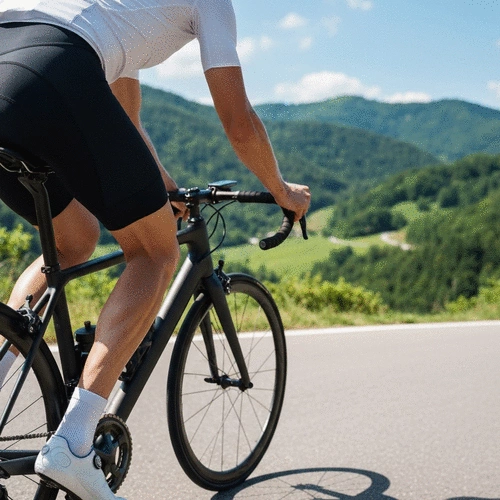
To start, it’s crucial to understand the basics of hill climbing. A good body position and the right gear selection can make all the difference. You want to keep your weight balanced over the bike and maintain a low center of gravity. This often means leaning forward slightly, which can improve your grip and control.
Understanding the Basics of Hill Climbing
When it comes to climbing, your gear selection plays a vital role. Using a lower gear can help you maintain a steady cadence while reducing strain on your legs. Here are some key points to remember:
- Shift to an easier gear before you start climbing.
- Maintain a steady pedal stroke to conserve energy.
- Use your upper body to help power through the climb.
As you practice these techniques, you’ll find that your body naturally adapts, making uphill cycling feel less daunting. Remember, it's all about building habits that enable you to climb with efficiency and grace! For more tips on improving your overall riding, check out our guide on essential braking techniques for safety, as control is vital on both ascents and descents.
Optimizing Your Cadence for Better Performance
Your cadence—the speed at which you pedal—can significantly impact your performance on climbs. Aim for a cadence between 80-95 RPM during your ascents. This range allows you to maintain power without burning out too quickly.
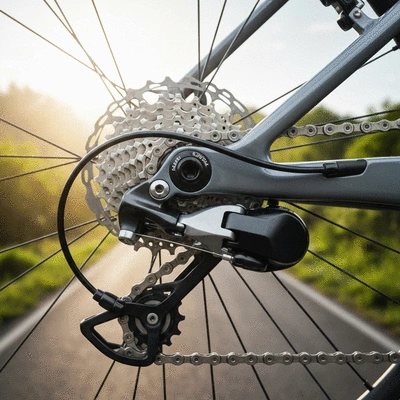
To keep your cadence steady, focus on the following tips:
- Practice in lower gears to help you maintain that rhythm.
- Use a cycling computer or app to monitor your RPM.
- Incorporate cadence drills into your training rides.
By honing in on your cadence, you’ll find yourself more capable of tackling even the toughest hills. It’s all about finding that sweet spot!
Key Climbing Techniques to Improve Efficiency
Now, let’s dive into some specific climbing techniques that can enhance your overall performance. Here’s what to focus on:
- Posture: Keep your elbows slightly bent and avoid locking them. This helps maintain mobility and control.
- Breathing: Develop a rhythmic breathing pattern to supply your muscles with the oxygen they need.
- Shift Your Weight: Lean slightly forward to engage your core and maximize power transfer.
Mastering these techniques can lead to improved efficiency and speed on those climbs. It’s about finding what works for you and practicing until it becomes second nature!
Training Strategies to Build Power and Endurance
Now that we’ve covered essential climbing techniques, let's talk about how to train effectively for those hill climbs. Building both power and endurance is crucial for cyclists of all levels. To truly excel, consider incorporating strategies to boost your cycling stamina today, which will directly translate to better climbing performance.
As a passionate cyclist myself, I’ve learned that a structured training approach can significantly enhance your climbing abilities. Incorporating different workouts, resistance training, and a solid plan can set you up for success.
Pro Tip
Did you know? Incorporating interval training into your hill climbing practice can drastically improve your performance. Try alternating between periods of high-intensity effort and recovery during your climbs. This not only enhances your stamina but also builds strength, making those steep inclines feel more manageable over time!
Frequently Asked Questions About Hill Climbing
- Q: What is the most important factor for effective hill climbing?
- A: Optimal body positioning, appropriate gear selection, and maintaining a steady cadence are the most important factors. They work together to ensure efficiency and power transfer.
- Q: What is the ideal cadence for climbing hills?
- A: Aim for a cadence between 80-95 RPM during ascents. This range helps you maintain power without burning out too quickly.
- Q: How does body position affect hill climbing?
- A: Proper body position, with weight balanced over the bike and a low center of gravity, improves grip, control, and allows for better core engagement to maximize power transfer.
- Q: Should I shift gears before or during a climb?
- A: It's best to shift to an easier gear before you start the climb to maintain momentum and reduce strain on your legs.
- Q: What kind of training helps improve hill climbing?
- A: Structured training, including interval training, resistance training, and consistent practice, can significantly build power and endurance for hill climbs.
Summarizing Key Points for Effective Hill Climbing
As we wrap up our discussion on hill climbing techniques, it's essential to revisit the key strategies that can significantly enhance your riding experience. From understanding body positioning to optimizing your gear selection, each element plays a vital role in your climbing success. Here’s a quick recap of the most critical techniques:
- Body Positioning: Maintain a balanced stance to ensure optimal power transfer.
- Cadence Management: Aim for a cadence of 80-95 RPM to sustain energy levels.
- Gear Selection: Choose appropriate gears to match the steepness of the climb.
- Structured Training: Incorporate specific workouts to improve your FTP and endurance.
- Nutrition and Hydration: Fuel your body correctly to maintain peak performance.
These components, when practiced consistently, can make a world of difference on your climbs. Remember, effective hill climbing isn't just about physical strength; it's about strategy and preparation!
Taking the Next Steps in Your Climbing Journey
Now that you’re armed with a wealth of knowledge from this article, it’s time to put these strategies into action! Start incorporating them into your training routine and watch how they elevate your climbing abilities. I encourage you to track your progress and share your experiences along the way. It's rewarding to see how small adjustments can lead to significant improvements in your performance!
Engage with the Cycling Community
One of the best parts of cycling is the community that surrounds it. I invite you to connect with fellow cyclists to exchange tips and insights on climbing hills. You can leave comments below or join social media groups where you can share your climbing stories and learn from others. Engaging with others not only provides motivation but also enriches your cycling journey!
Joining Cycling Clubs for Support and Motivation
Consider joining a local cycling club if you haven’t already. Being part of a group can provide tremendous support and motivation, especially during those challenging climbs! Clubs often organize group rides, which can be a fantastic way to practice your climbing techniques and gain valuable feedback from more experienced riders. Plus, it’s a great way to make friends who share your passion for cycling!
Recap of Key Points
Here is a quick recap of the important points discussed in the article:
- Body Positioning: Maintain a balanced stance to ensure optimal power transfer.
- Cadence Management: Aim for a cadence of 80-95 RPM to sustain energy levels.
- Gear Selection: Choose appropriate gears to match the steepness of the climb.
- Structured Training: Incorporate specific workouts to improve your FTP and endurance.
- Nutrition and Hydration: Fuel your body correctly to maintain peak performance.