As you gear up for your next ride, consider this: mastering cornering techniques can dramatically elevate your cycling experience, whether you're racing down a mountain trail or cruising through winding roads. Are you ready to take your skills to the next level?
What You Will Learn
- The fundamentals of body positioning to enhance balance while cornering.
- How to effectively assess road conditions to navigate turns safely.
- The significance of lean angle and weight distribution for better grip.
- Practical techniques to maintain speed and control during turns.
- Strategies to boost your confidence and enjoyment while cycling.
Key Aspects of Effective Cycling Cornering
Mastering cornering is crucial for every cyclist. It involves several key components, as detailed below, to ensure safety, control, and an enhanced riding experience on both road and mountain terrains. For those just starting out, understanding mastering bike riding basics is a great foundation before diving into advanced techniques like cornering.
Fundamental Skill:
Body Positioning & Balance
Proper body positioning is key to maintaining balance and control through turns. Relax your upper body and use your hips to guide the bike.
Critical Technique:
Lean Angle & Grip Optimization
Understanding how much to lean the bike for different turns maximizes tire grip and stability, crucial for sharp corners.
Advanced Maneuver:
Weight Distribution & Centrifugal Force
Shifting weight onto the outside pedal counteracts centrifugal force, enhancing stability and maintaining a lower center of gravity.
Safety First:
Speed Control & Hazard Assessment
Entering turns at a manageable speed and assessing road conditions prevents accidents and ensures a smooth ride.
Understanding Bike Cornering Techniques for Road and Mountain Biking
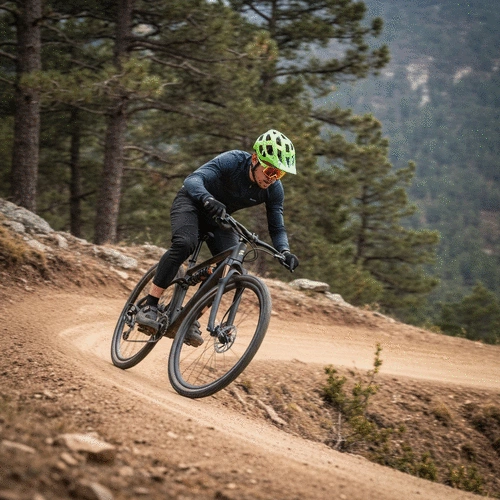
As a passionate cyclist, I always emphasize the importance of mastering cornering techniques—a fundamental skill for all cyclists. Whether you're cruising down a winding road or navigating rocky mountain trails, knowing how to corner effectively can make a substantial difference in your ride. Today, we're diving deep into what cornering techniques entail and how you can enhance your cycling experience!
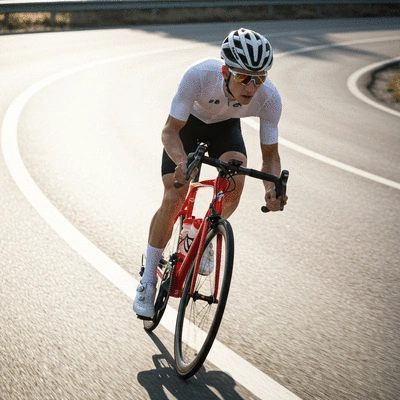
First, let's define cornering techniques. Essentially, cornering involves the way we lean our bikes and shift our weight during turns. It's not just about making a turn; it's about doing so smoothly and safely. By honing your cornering skills, you can maintain speed, enhance control, and improve overall safety. Here are some key cornering techniques to consider:
- Proper body positioning to maintain balance
- Understanding lean angle for different terrains
- Mastering weight distribution to enhance grip
Each of these components plays a critical role in how well you corner, regardless of whether you're on a road bike or mountain bike.
Defining Cornering Techniques: A Fundamental Skill for Cyclists
Cornering techniques are more than just a skill to learn; they are essential for every cyclist looking to improve their performance. Whether you're a commuter or a recreational rider, understanding how to navigate turns will not only enhance your ride but also increase your confidence on the bike. Remember, cornering well can help prevent accidents and falls that might occur due to miscalculations in turns! Additionally, understanding beginner cyclist safety tips can further safeguard your journey.
In my years of riding, I’ve found that many cyclists overlook this crucial skill. They focus on speed or endurance but forget that efficient cornering can also be a game-changer for their overall riding experience. So, let's dig deeper into why safe and efficient turns are vital for every cyclist.
The Importance of Safe and Efficient Turns in Biking
Safe cornering techniques can significantly reduce the chances of accidents. When you approach a turn, here are some critical factors to keep in mind to ensure a safe and efficient ride:
- Assess the road conditions: Look for debris, potholes, or wet patches.
- Control your speed: Enter the turn at a manageable pace.
- Look through the turn: Focus on where you want to go, not just directly in front of you.

These practices can help you navigate turns smoothly and avoid mishaps. Remember, a confident cyclist is a safe cyclist!
Exploring the Role of Lean Angle and Weight Distribution in Cornering
Understanding the concept of lean angle and how to distribute your weight appropriately is essential for effective cornering. Leaning into a turn allows you to maintain balance while maximizing grip, especially in sharp corners. Here's how to find the right balance:
- Keep your inside pedal up: This helps maintain a lower center of gravity.
- Shift your weight onto the outside pedal: This counteracts the centrifugal force during the turn.
- Maintain a relaxed upper body: Tension can throw off your balance.
When you master these techniques, you'll notice a remarkable improvement in your ability to tackle corners, whether you're on a smooth road or rough trail. So, practice these skills regularly to enhance your cycling journey!
Pro Tip
To enhance your cornering skills, practice in a safe environment where you can focus on your body positioning and lean angle without distractions. Try setting up cones or markers to simulate turns, allowing you to refine your technique at your own pace. Remember, the more you practice, the more instinctive your movements will become!
Frequently Asked Questions About Cycling Cornering Techniques
Summarizing Key Insights on Effective Cornering
Mastering cornering techniques is not just a skill; it's a crucial aspect of becoming a confident cyclist. Whether you're navigating tight bends on a mountain trail or making smooth turns on a road, effective cornering can significantly enhance your riding experience. By understanding the mechanics behind cornering, you can ride safer and faster, which is essential for both enjoyment and efficiency.
For me, the journey of improving my cornering has been filled with learning and adaptation. It's amazing how small adjustments can lead to noticeable improvements in my performance. Remember, every cyclist faces challenges, but mastering cornering is a universal goal that can elevate your biking adventures!
Why Mastering Cornering is Essential for Every Cyclist
Cornering is more than just a technique—it's a key factor in your overall cycling safety and performance. Here are a few reasons why mastering cornering is essential:
- Enhanced Safety: Proper cornering reduces the risk of falls and accidents, allowing you to navigate turns confidently.
- Improved Speed: Efficient cornering lets you maintain speed through turns, which can be a game-changer in competitive cycling scenarios.
- Better Control: Mastering the nuances of cornering gives you greater control over your bike, particularly in tricky conditions. For example, knowing essential braking techniques for safety complements your cornering skills.
- Increased Enjoyment: Ultimately, being skilled at cornering allows you to enjoy your rides more fully, whether on scenic roads or challenging mountain paths.
As I’ve come to realize, investing time in understanding cornering techniques can open up a whole new level of enjoyment on two wheels. It’s all about making the most of each ride!
Final Thoughts on Improving Your Biking Experience Through Proper Techniques
When it comes to biking, the importance of mastering cornering techniques cannot be overstated. It not only helps in improving your performance but also enriches your overall biking experience. If you take the time to practice and refine your skills, you’ll find yourself riding with more confidence and joy.
So, take what you’ve learned here and start applying it to your rides! Experiment with different techniques, be aware of your body positioning, and don’t hesitate to seek feedback from fellow cyclists. The more you practice, the more comfortable you’ll become with cornering, leading to smoother and more enjoyable rides.
Engaging with the Community: Share Your Experience
Join the Discussion: What Challenges Have You Faced with Cornering?
I’d love to hear your experiences! Have you ever struggled with cornering? It’s a common hurdle for many cyclists, and sharing our challenges can help us all improve. Feel free to drop a comment below and let’s get the conversation going!
Connect with Fellow Bikers for Tips and Tricks
Connecting with other cyclists can provide you with valuable insights and tips for tackling cornering challenges. Whether you're a beginner or a seasoned rider, discussing your experiences and learning from others is a fantastic way to grow as a cyclist. Join our community at Bike Tips Hub where we share cycling tips, tricks, and personal stories!
Exchange Cornering Advice and Tips for Various Bike Types
Every bike type has its unique cornering characteristics! Whether you ride a mountain bike, road bike, or hybrid, sharing specific cornering tips can help others navigate their own challenges. Let’s create a thread where we can exchange our best cornering advice tailored to different bike styles. Who knows? You might discover a new technique to enhance your rides! Proper bike chain care is also critical for optimal performance, especially when pushing your bike through demanding turns.
Recap of Key Points
Here is a quick recap of the important points discussed in the article:
- Proper Body Positioning: Maintain balance by adjusting your body position while cornering.
- Lean Angle Understanding: Adjust your lean angle based on the terrain to maximize grip.
- Weight Distribution: Shift your weight correctly during turns to enhance control and stability.
- Road Condition Assessment: Always check for debris or hazards before entering a turn.
- Speed Control: Enter turns at a manageable speed to maintain safety and control.
- Focus Through the Turn: Look ahead to where you want to go rather than directly in front of you.
- Practice Regularly: Consistent practice of these techniques will lead to improved cornering skills.