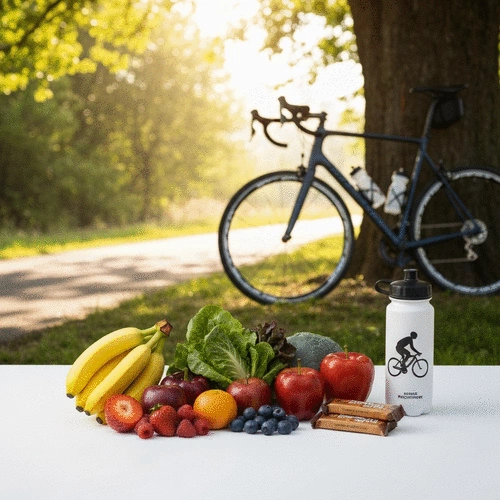
As you gear up for your next cycling adventure, consider the power of nutrition in transforming your performance on the bike. What if the right foods could not only sustain your energy but also enhance your recovery? By understanding and optimizing your nutrition, you can elevate your cycling experience to new heights.
What You Will Learn
- Nutrition is foundational for cycling performance, impacting energy levels and recovery.
- A balanced intake of carbohydrates, proteins, and fats is essential for endurance and muscle health.
- Carbohydrate needs vary by ride duration and intensity, and effective carb-loading can optimize performance.
- Post-ride protein consumption significantly aids in muscle recovery and reduces soreness.
- Healthy fats are crucial for longer rides, providing essential energy when carbohydrate stores are low.
- Building sustainable eating habits and adapting your diet seasonally can enhance your cycling journey.
- Engaging with the cycling community can provide support and motivation for your nutrition goals.
Optimizing Cycling Performance Through Macronutrient Management
Understanding and strategically managing macronutrients is fundamental for cyclists aiming to enhance endurance, recovery, and overall performance. The guide below illustrates the specific carbohydrate requirements based on ride intensity and duration, alongside the critical roles of protein and healthy fats in a cyclist's diet. For more insights on improving your overall riding abilities, check out our guide on mastering bike riding basics.
Carbohydrate Needs for Cyclists (grams per kg of body weight)
Short Rides (<1 hr)
3-5g
Moderate Rides (1-3 hrs)
5-7g
Long/Intense Rides (>3 hrs)
7-10g
Role of Protein in Recovery
- ✓ Aids muscle repair & growth
- ✓ Reduces post-workout soreness
- ✓ Enhances recovery times
Healthy Fats for Sustained Energy
- ● Monounsaturated (Avocado, Olive Oil)
- ● Polyunsaturated (Fish, Flaxseeds)
- ● Concentrated energy for long rides
Understanding the Role of Nutrition in Cycling Performance
As a passionate cyclist myself, I’ve come to realize that nutrition plays a crucial role in enhancing our cycling performance. It’s not just about what we eat, but how it fuels our rides and supports our recovery. Nutrition is a key player in ensuring that our bodies can handle the demands of cycling, whether we’re tackling steep hills or cruising along scenic routes.
Have you ever noticed how your energy levels can fluctuate during a long ride? This is often linked to the foods we consume before and during our cycling adventures. Understanding the basics of nutrition can help riders of all levels maximize their endurance and overall performance.
Why Nutrition Matters for Cyclists
Nutrition is the foundation of a cyclist's performance. A well-balanced diet provides the necessary energy and nutrients to sustain long rides and facilitate recovery afterward. Here are a few reasons why nutrition is vital for cyclists:
- Energy Levels: Proper nutrition helps maintain steady energy, preventing fatigue during rides.
- Muscle Recovery: Nutrient-rich foods aid in muscle repair, which is essential after a tough workout.
- Endurance Improvement: A balanced intake of macronutrients can enhance performance and endurance.
By focusing on nutrition, we can improve our stamina and enjoy cycling even more! Remember, it’s not just about riding; it’s also about what happens before and after we mount our bikes.

The Connection Between Diet and Endurance
For cyclists, the link between diet and endurance is undeniable. Endurance is all about sustaining energy over long distances, and the right foods can help us achieve this. Carbohydrates, proteins, and fats all play unique roles in our diets:
- Carbohydrates: They are our primary fuel source during rides, providing quick energy.
- Proteins: Essential for muscle repair and recovery, they help us bounce back after a ride.
- Fats: A vital energy source for longer rides, healthy fats can sustain us when carbs are depleted.
It’s essential to find the right balance of these macronutrients to enhance our cycling performance. I’ve seen firsthand how a well-structured diet can transform not only my energy levels but also my enjoyment of cycling. Let’s dive deeper into the specifics of what we should be consuming!
Macronutrient Essentials for Cyclists
Understanding macronutrients is super important for any cyclist looking to improve performance and recovery. At Bike Tips Hub, I often emphasize the need for a balanced approach to nutrition that includes the right amounts of carbohydrates, proteins, and fats. Let’s explore these macronutrients more closely!
Carbohydrates: The Primary Fuel Source
Carbohydrates are the backbone of a cyclist's nutrition plan. They provide the energy needed for endurance activities, especially during long rides. But how much do we actually need?
How Much Carbohydrate Do Cyclists Need?
The carbohydrate needs can vary based on the intensity and duration of your rides. Here’s a simple guide to help you:
- For short, casual rides (under 1 hour): 3-5 grams of carbs per kilogram of body weight.
- For moderate rides (1-3 hours): 5-7 grams per kilogram.
- For long, intense rides (more than 3 hours): 7-10 grams per kilogram.
Adjusting your carb intake based on your riding schedule can help optimize your energy levels. I always recommend planning your meals around your rides for the best results!
Effective Carb-Loading Strategies Before Rides
Carb-loading isn’t just a myth; it’s a proven strategy for endurance athletes. Here are some effective methods to ensure you’re fueled up before a big ride:
- Increase carb intake in the 2-3 days leading up to your event.
- Focus on whole grains, fruits, and vegetables during this period.
- Avoid high-fiber foods the day before to prevent digestive issues.
Implementing these strategies can help you feel energized and ready to conquer those challenging trails! Remember, preparation is key, and this focus on fuel is as important as your beginner cycling fitness plans.
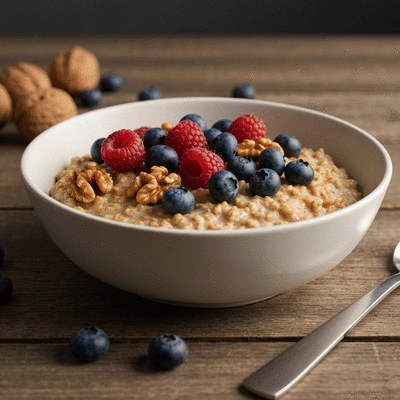
Protein: Supporting Recovery and Muscle Health
Protein is another crucial macronutrient for cyclists, especially for recovery. After a hard ride, consuming enough protein helps repair muscle tissues and supports growth.
The Importance of Protein Post-Ride
Post-ride nutrition is essential for recovery. Here’s why protein matters:
- It aids in muscle repair and growth.
- It reduces muscle soreness after intense workouts.
- Consuming protein shortly after exercise can enhance recovery times.
Incorporating protein-rich foods into your post-ride meals can significantly improve your recovery experience. I personally love a good protein shake or a hearty meal after a long ride!
Recommended Protein Sources for Cyclists
Choosing the right sources of protein can make a big difference. Here are some of my favorites:
- Lean meats like chicken and turkey
- Fish, especially salmon and tuna
- Plant-based options like lentils, chickpeas, and tofu
Including a variety of these sources in your diet ensures you’re getting the nutrients needed for optimal recovery!
Fats: Sustaining Energy for Long Rides
While fats often get a bad rap, they are essential for cyclists, especially on long rides. They provide a concentrated source of energy, particularly when carbohydrates are low.
Understanding Healthy Fats in a Cycling Diet
Not all fats are created equal! It’s important to focus on healthy fats that support overall health:
- Monounsaturated fats: Found in avocados and olive oil.
- Polyunsaturated fats: Found in fatty fish and flaxseeds.
- Saturated fats: Should be limited, but can be found in coconut oil and dairy products.
Integrating these healthy fats into your diet can provide sustained energy for those longer rides, helping keep you on track.
How to Incorporate Fats Without Overdoing It
Here are some simple ways to add healthy fats to your meals without overdoing it:
- Use olive oil as a dressing or cooking base.
- Add nuts or seeds to your salads or snacks.
- Include a serving of fatty fish in your weekly meals.
Balancing fat intake is all about moderation. With the right approach, you can fuel your rides effectively!
Pro Tip
To further enhance your cycling performance, consider incorporating nutrient timing into your nutrition strategy. This means consuming specific macronutrients at optimal times—such as carbs before and protein after your rides—to maximize energy and recovery. Experiment with timing to see what works best for your body!
Strategies for Long-Term Cycling Nutrition Success
As a cyclist, I've learned that successful nutrition isn't just about what you eat on the bike; it's about building habits that support your goals over time. Developing a consistent approach to eating allows you to maintain energy levels and performance long-term. Here are some strategies that have worked well for me and can help you, too!
Building Sustainable Eating Habits
Creating sustainable eating habits is essential for your cycling journey! Start by focusing on whole foods and making small, gradual changes to your diet. Here are some tips to help you develop these habits:
- Plan your meals ahead of time to avoid last-minute unhealthy choices.
- Incorporate a variety of colorful fruits and vegetables to ensure a range of nutrients.
- Set realistic goals that fit your lifestyle, making them easier to stick to.
- Keep healthy snacks like nuts and fruit on hand for quick energy boosts!
Remember, the key to sustainability is to find a balance that works for you. Don't hesitate to experiment and see what meals and snacks make you feel the best during your rides!
Adapting Your Diet for Seasonal Changes
As seasons change, so do our nutritional needs! During the colder months, we tend to crave heartier foods. Conversely, in warmer weather, lighter meals can feel more satisfying. Here are some adjustments to consider:
- In winter, add more warming foods like stews and root vegetables to keep you fueled.
- In summer, opt for refreshing salads and hydrating fruits to stay energized.
- Experiment with different cooking methods to keep meals exciting, like grilling in the summer and roasting in the winter.
- Listen to your body and adjust portion sizes based on your activity levels.
By adapting your diet seasonally, you can keep your nutrition fresh and aligned with your cycling goals.
Custom Diets for Different Cycling Events and Training Plans
Whether you're preparing for a long-distance race or a casual weekend ride, adjusting your diet according to your specific events is crucial. Tailoring your meals to your training regimen can optimize your performance. Consider the following:
- Increase carbohydrate intake in the days leading up to a big event for extra fuel.
- After high-intensity training sessions, prioritize protein-rich meals to support muscle recovery.
- Stay hydrated, especially before, during, and after events to ensure peak performance.
By customizing your diet based on your cycling events, you’ll be better equipped to perform at your best. Keep experimenting with what works best for you, and don’t forget to enjoy your meals! For an even smoother ride, consider these beginner cyclist safety tips as well.
Take Action to Optimize Your Cycling Nutrition
Now that we've explored strategies for long-term success, it's time to put those ideas into action. Optimizing your cycling nutrition requires dedication and a personal touch, so let's dive into how you can create a plan that works for you!
Creating Your Personalized Nutrition Plan
Creating a personalized nutrition plan can seem daunting, but it’s easier than you think! Start by assessing your current diet and identifying areas for improvement. Here’s how to get going:
- Keep a food diary for a week to recognize patterns and potential gaps in your nutrition.
- Set specific, measurable goals that align with your riding ambitions.
- Incorporate foods you love while making healthier choices—this is all about balance!
- Consult with a nutritionist if you're unsure where to start.
Remember, your nutrition should fuel your passion for cycling, not feel like a chore. Make adjustments gradually, and don’t be afraid to ask for help!
Engaging with the Cycling Community for Ongoing Support
Lastly, don't underestimate the power of community! Connecting with other cyclists can provide valuable insights and motivation. Here are some ways to engage:
- Join local cycling clubs or groups to share tips and experiences.
- Participate in online forums or social media groups focused on cycling nutrition.
- Attend workshops or events that feature nutrition experts as speakers.
Building relationships within the cycling community can help you stay accountable and inspired on your nutrition journey. Let's ride together toward better health and performance! For tips on keeping your bike in top shape while you focus on nutrition, check out our essential bike chain care guide.
Frequently Asked Questions (FAQs)
- Q: Why is nutrition so important for cyclists?
- A: Proper nutrition is crucial for cyclists as it provides the necessary energy to sustain long rides, aids in muscle repair and recovery, and helps improve overall endurance and performance. It prevents fatigue and ensures the body can handle the physical demands of cycling.
- Q: What macronutrients are essential for cyclists and why?
- A: Cyclists need a balanced intake of carbohydrates, proteins, and fats. Carbohydrates are the primary fuel source for energy during rides. Proteins are vital for muscle repair and recovery after workouts. Healthy fats provide sustained energy, especially for longer rides when carbohydrate stores might be depleted.
- Q: How much carbohydrate do I need as a cyclist?
- A: Carbohydrate needs vary based on ride intensity and duration:
- Short rides (under 1 hour): 3-5 grams per kilogram of body weight.
- Moderate rides (1-3 hours): 5-7 grams per kilogram.
- Long/intense rides (more than 3 hours): 7-10 grams per kilogram.
- Q: What are effective carb-loading strategies before a big ride?
- A: Effective carb-loading involves increasing carbohydrate intake 2-3 days leading up to an event, focusing on whole grains, fruits, and vegetables. It's also advisable to avoid high-fiber foods the day before to prevent digestive issues.
- Q: Why is protein important for post-ride recovery?
- A: Protein is essential for post-ride recovery because it aids in muscle repair and growth, reduces muscle soreness after intense workouts, and enhances overall recovery times. Consuming protein shortly after exercise is particularly beneficial.
- Q: What are good sources of healthy fats for cyclists?
- A: Good sources of healthy fats include monounsaturated fats (found in avocados and olive oil) and polyunsaturated fats (found in fatty fish like salmon and flaxseeds). These provide concentrated energy for long rides.
- Q: How can I build sustainable eating habits as a cyclist?
- A: To build sustainable eating habits, plan meals ahead, incorporate a variety of colorful fruits and vegetables, set realistic goals, and keep healthy snacks on hand. The key is finding a balanced approach that fits your lifestyle and fuels your passion for cycling.
Recap of Key Points
Here is a quick recap of the important points discussed in the article:
- Nutrition is Key: Proper nutrition is essential for maintaining energy levels, aiding muscle recovery, and improving endurance during cycling.
- Macronutrient Balance: A balanced intake of carbohydrates, proteins, and fats is crucial; carbohydrates fuel rides, proteins support recovery, and healthy fats provide sustained energy.
- Carb-Loading Strategies: Implement effective carb-loading strategies before long rides to optimize energy levels.
- Post-Ride Nutrition: Incorporate protein-rich foods post-ride to enhance muscle repair and recovery.
- Building Sustainable Habits: Develop consistent eating habits by planning meals, incorporating a variety of foods, and listening to your body.