As cycling enthusiasts, we thrive on the thrill of each ride, but safety should always take the front seat. Did you know that a simple checklist can dramatically enhance your cycling safety? Let's explore essential practices that can elevate your riding experience while keeping you safe on the road!
What You Will Learn
- The significance of a cycling safety checklist to minimize risks before each ride.
- Essential ABC inspection steps: Air, Brakes, and Chain for optimal bike performance.
- The importance of functional bike lights and reflectors for visibility, especially at night.
- Key personal safety gear every cyclist should wear, including helmets and reflective clothing.
- How to communicate effectively with motorists using hand signals while riding.
- The need to stay alert for common hazards, ensuring safer rides and a more enjoyable experience.
Cycling Safety Essentials: A Pre-Ride Checklist
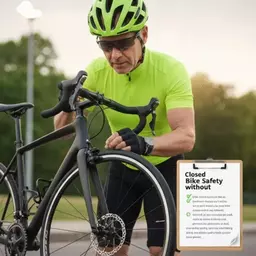
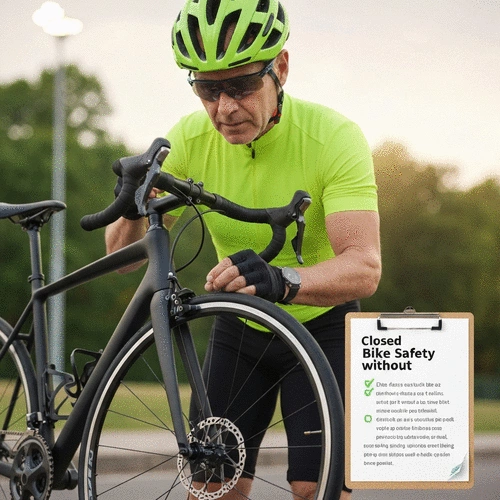
Ensuring your safety on every ride involves a few critical checks and habits. This visual guide highlights the key areas to focus on before you hit the road, ensuring both your bike and your gear are in optimal condition. For more comprehensive guidance, check out our beginner cyclist safety tips.
Bike Inspection: The ABCs
- Air: Check tire pressure for optimal traction.
- Brakes: Test for effective stopping power.
- Chain: Inspect for wear and proper lubrication.
Visibility & Lights
- Lights: Ensure front & rear lights are operational.
- Reflectors: Confirm cleanliness and visibility.
- Reflective Gear: Consider for extra safety.
Personal Protective Gear
- Helmet: Snug fit, meets safety standards.
- Clothing: Brightly colored or reflective.
- Extra Pads: Knee/elbow for added protection.
Road Rules & Behavior
- Traffic Laws: Obey signals & ride with flow.
- Hand Signals: Communicate intentions clearly.
- Stay Alert: Scan for hazards, avoid distractions.
Practical Steps to Enhance Your Cycling Safety
As a passionate cyclist, I understand the thrill of hitting the open road or navigating rugged trails. However, safety must always come first! That's why having a cycling safety checklist is crucial. This simple tool can help prevent accidents by ensuring that you're fully prepared before each ride.
A checklist can serve as a reminder to assess your bike and gear, keeping you mindful of potential hazards. Developing this habit can significantly enhance your safety and confidence on the road. Let's dive deeper into essential safety measures every cyclist should consider!
Understanding the Importance of a Cycling Safety Checklist
A cycling safety checklist is more than just a piece of paper; it's your best friend on every ride. By following this checklist, you can systematically ensure that all aspects of your bike and gear are in top shape. This proactive approach minimizes the risk of unexpected issues while you're out enjoying your ride.
- Pre-ride bike inspection
- Checking personal protective gear
- Reviewing local traffic rules
By incorporating these safety checks into your routine, you'll be equipped to handle various situations on the road. Remember, a few minutes of preparation can save you from potential accidents down the line!
Pre-Ride Maintenance: Essential Checks for Safety
Conducting a Thorough ABC Inspection
Before you hop on your bike, it's essential to conduct an ABC inspection, which stands for Air, Brakes, and Chain. This quick check can significantly impact your ride's safety and performance.
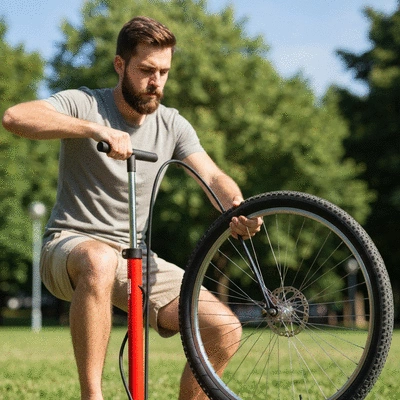
- Air: Check your tire pressure to ensure optimal performance. Tires that are properly inflated provide better traction and control!
- Brakes: Test your brakes to confirm they are working effectively. Squeaky brakes or a lack of stopping power can lead to serious accidents. For tips on how to improve your stopping power, read our guide on essential braking techniques for safety.
- Chain: Inspect the chain for wear and lubrication. A well-maintained chain allows for smoother shifting and a more enjoyable ride.
Performing these checks takes only a few moments but can make a world of difference in your riding experience. Trust me; your future self will thank you!
Bike Lights and Reflectors: Maximizing Visibility
Having functional bike lights and reflectors is essential, especially if you ride at night or in low-light conditions. Visibility is key to staying safe on the road! Make sure your front and rear lights are operational and that your reflectors are clean and visible.
- Invest in high-quality lights that can be seen from a distance.
- Consider adding reflective gear to your clothing for extra visibility.
- Regularly check and replace batteries in your lights to avoid unexpected failures.
Remember, making yourself visible to drivers can significantly reduce the risk of accidents. Let’s shine bright and stay safe out there!
Essential Bicycle Maintenance Practices
Regular maintenance is crucial for keeping your bicycle in safe operating condition. Taking the time to care for your bike can prevent larger issues down the road.
- Clean and lubricate your chain regularly.
- Inspect brakes and gear shifts for smooth operation.
- Check for signs of wear on your tires and replace them when necessary.
By adopting these simple maintenance practices, you can enhance your bike's performance and extend its lifespan. A well-maintained bike makes for safer rides and more enjoyable adventures!
Personal Safety Gear: What Every Cyclist Should Wear
Choosing the Right Helmet: Fit and Safety Standards
Your helmet is your most critical piece of safety gear! When selecting a helmet, ensure it fits snugly but comfortably on your head and meets safety standards set by organizations like the CPSC.
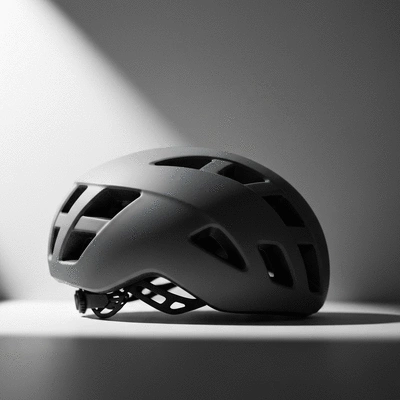
- Adjust the straps to create a secure fit.
- Look for ventilation to keep your head cool during rides.
- Choose a style that suits your riding needs, whether for commuting or mountain biking.
Wearing a properly fitted helmet can significantly reduce the risk of head injuries in the event of an accident.
Visibility Clothing: Making Yourself Seen
Wearing reflective or brightly colored clothing can dramatically improve your visibility to motorists. This is especially vital during twilight hours or poor weather conditions!
- Opt for neon colors that stand out against road backgrounds.
- Consider clothing with reflective strips to enhance visibility further.
- Layer appropriately for comfort and safety in changing weather conditions.
By prioritizing visibility, you’re taking a proactive step toward ensuring your safety on the road!
Understanding Protective Gear Beyond Helmets
While helmets are essential, don't overlook the importance of additional protective gear. Knee pads and elbow pads can provide extra protection in the event of a fall.
- Invest in quality protective gear that fits well and won’t hinder your movement.
- Consider wearing padded shorts for added comfort on long rides.
- Evaluate your riding style to determine which gear is necessary for you.
By equipping yourself with the right protective gear, you can ride with more confidence and peace of mind.
Understanding Road Rules and Riding Behavior
Obeying Traffic Signals and Riding with the Flow
Following local traffic laws is not just a matter of courtesy; it's crucial for your safety! Riding with the flow of traffic helps maintain order on the roads and reduces the likelihood of accidents.
- Always stop at red lights and stop signs.
- Use designated bike lanes when available.
- Stay alert for pedestrians and other road users.
When you ride responsibly, you contribute to a safer environment for everyone on the road!
Hand Signals: Communicating with Motorists
Using hand signals is an effective way to communicate your intentions to drivers. This simple act can significantly enhance awareness and prevent accidents! For more insights on road etiquette, consider our guide on mastering bike riding basics.
- Use a left arm extended out to signal a left turn.
- Extend your right arm out to indicate a right turn.
- Lower your left arm to signal a stop.
Incorporating hand signals into your riding routine can help ensure your safety and the safety of others on the road.
Staying Alert: The Key to Hazard Avoidance
Riding attentively is essential for recognizing and avoiding potential hazards on the road. Keep your head up and scan your surroundings frequently!
- Watch for potholes, debris, and other obstacles.
- Stay vigilant for parked cars and possible dooring incidents.
- Be aware of vehicles making turns or changing lanes.
By staying alert, you're better equipped to react to unexpected situations, making your rides safer and more enjoyable.
Pro Tip
Did you know? Investing in a high-visibility vest or jacket can significantly enhance your safety while cycling, especially in low-light conditions. These garments reflect light from vehicles, making you more noticeable to drivers. Pair this with front and rear lights, and you'll create a powerful visibility combination that keeps you safe on the road!
Frequently Asked Questions About Cycling Safety
Q: What is the ABC inspection for bicycles?
A: The ABC inspection stands for Air, Brakes, and Chain. It's a quick pre-ride check to ensure your tires have optimal pressure (Air), your brakes are working effectively (Brakes), and your chain is properly lubricated and free from wear (Chain).
Q: Why is a cycling safety checklist important?
A: A cycling safety checklist helps minimize risks by ensuring your bike and gear are in optimal condition before each ride. It's a proactive approach to prevent unexpected issues and enhance your overall safety and confidence on the road.
Q: What are the key pieces of personal safety gear every cyclist should wear?
A: The most critical piece of gear is a properly fitting helmet that meets safety standards. Additionally, bright or reflective clothing, and potentially knee/elbow pads, are recommended to enhance visibility and provide extra protection.
Q: How can cyclists communicate with motorists?
A: Cyclists should use clear hand signals to communicate their intentions to drivers. Common signals include extending your left arm straight out for a left turn, extending your right arm out for a right turn, and lowering your left arm for a stop.
Q: How can I maximize my visibility while cycling, especially at night?
A: To maximize visibility, ensure your front and rear bike lights are operational and bright. Use clean reflectors, wear brightly colored or reflective clothing, and consider a high-visibility vest or jacket, especially in low-light conditions.
Wrapping Up Your Cycling Safety Journey
As we wind down our discussion, it’s crucial to remember the key points that can significantly enhance your safety while cycling. From having a cycling safety checklist to wearing appropriate gear, implementing these measures can lead to safer rides. Here's a quick recap of essential safety tips:
- Conduct a thorough ABC inspection before each ride.
- Always use bike lights and reflectors, especially at night.
- Wear a properly fitting helmet that meets safety standards.
- Stay visible with brightly colored or reflective clothing.
- Understand and obey traffic rules while riding.
- Communicate with motorists using hand signals.
- Be aware of common hazards, like dooring incidents and road conditions.
By integrating these practices into your routine, you can ride with greater peace of mind and confidence!
Encouragement to Stay Informed and Prepared
Cycling safety is an ongoing journey. I encourage you to continually educate yourself about the latest safety tips and techniques. Remember, making safety a priority not only protects you but also contributes to a more secure environment for all cyclists. Consider following reputable blogs, attending local workshops, and participating in community events to stay informed!
Join the Conversation: Share Your Experiences
I'd love to hear from you! What are your top cycling safety tips? Have you had any close calls or memorable experiences on the road? Join the conversation in the comments section below. Sharing our experiences is a great way to learn from one another and build a supportive cycling community.
Engaging with the Cycling Community: Resources and Groups
Connecting with local cycling organizations can provide you with valuable resources and support. Look for advocacy groups in your area that focus on road safety and cyclist rights. Here are a few places to start:
- Local cycling clubs
- Advocacy groups for cycling safety
- Community events promoting cycling initiatives
By engaging with these resources, you can help promote safe cycling practices and advocate for better infrastructure for cyclists. Together, we can make our roads safer for everyone! For further reading on keeping your bike in top condition, don't miss our essential bike chain care guide.
Recap of Key Points
Here is a quick recap of the important points discussed in the article:
- Conduct a thorough ABC inspection before each ride to check Air, Brakes, and Chain.
- Always use bike lights and reflectors, especially at night, to maximize visibility.
- Wear a properly fitting helmet that meets safety standards to protect your head.
- Stay visible with brightly colored or reflective clothing to enhance safety on the road.
- Understand and obey traffic rules while riding to contribute to a safer environment.
- Communicate with motorists using hand signals to indicate your intentions clearly.
- Be aware of common hazards like dooring incidents and road conditions to avoid accidents.